
Introduction
Your nails can reveal a lot about your health. Sometimes, changes in your nails may point to a problem like a fungal infection. In fact, knowing the signs of fungal nail infection can help you spot issues early. Because early treatment works best, it is important to pay attention to your nails. This blog will help you learn how to spot nail fungus, understand the causes, and find out about treatment for fungal nails. If you want to keep your nails healthy, read on for helpful tips.
What Are Fungal Nail Infections?
Fungal nail infections happen when fungi grow in or under your nails. Usually, these infections affect toenails more than fingernails. However, both can be affected. Fungi are tiny germs that love warm, moist places. When they get under your nail, they can cause changes you should not ignore. According to the Centers for Disease Control and Prevention (CDC), fungal nail infections are common and can affect people of all ages.
Common Signs and Symptoms to Watch For
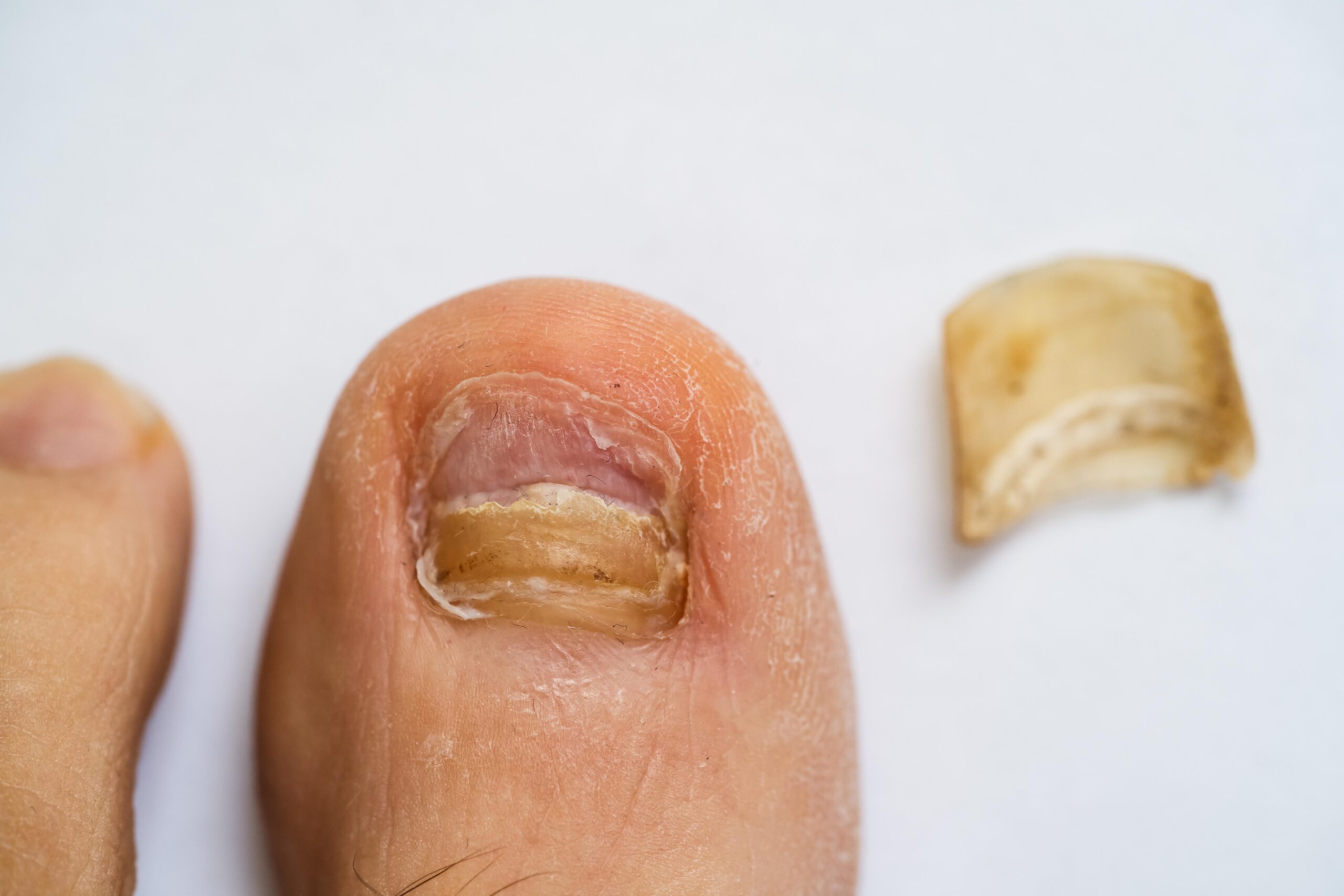
It is important to know the early signs of nail infection. If you notice any of these changes, you may have a fungal nail infection:
Sometimes, the skin around the nail may also look red or swollen. Because these signs can get worse over time, it is best to act early. Early signs of nail infection are easier to treat than advanced cases.
Causes and Risk Factors
Fungal nail infections can happen to anyone. However, some people are at higher risk. Here are some common causes and risk factors:
Because fungi thrive in warm, damp places, keeping your feet dry is important. Also, sharing nail tools can spread the infection. For this reason, always use clean tools.
How Fungal Nail Infections Are Diagnosed
If you notice changes in your nails, a doctor can help. Usually, a dermatologist will look at your nails and ask about your symptoms. Sometimes, they may take a small sample from your nail. This helps confirm if fungus is present. According to the World Health Organization (WHO), proper diagnosis is important before starting treatment. Because other nail problems can look similar, getting the right diagnosis helps you get the best care.
Effective Treatment Options
Treatment for fungal nails depends on how severe the infection is. Here are some common options:
Because fungal infections can be stubborn, treatment may take several months. It is important to follow your doctor’s advice and finish the full course of medicine. Even after the infection clears, new healthy nails may take time to grow.
Tips for Prevention and Healthy Nails
Preventing nail fungus is easier than treating it. Here are some simple tips to keep your nails healthy:
Because healthy habits make a big difference, follow these steps every day. If you notice any changes, act quickly to prevent the infection from spreading.
Conclusion
In summary, your nails can show early signs of fungal nail infection. By knowing what to look for, you can spot nail fungus early and get the right treatment. If you notice any of these signs, consult a dermatologist Dr. Mandar Mane for personalized advice.