What Are Drug Reactions on Skin?
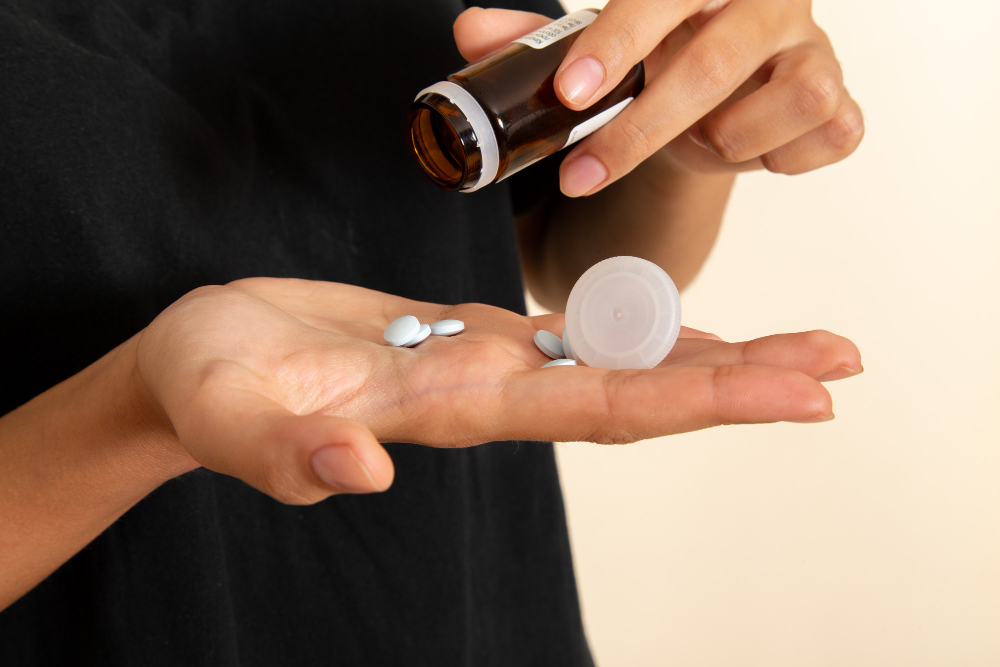
Drug reactions on skin are changes that happen after taking certain medicines. These reactions can look like rashes, redness, or swelling. Sometimes, people call them skin drug allergies or medication-induced skin rashes. In many cases, these reactions are mild. However, some can be serious and need quick medical care. Adverse skin reactions to drugs can affect anyone, but some people are at higher risk. Knowing the signs and causes can help you stay safe.
Common Symptoms of Drug Reactions on Skin
Drug reactions on skin can show up in many ways. For example, you might notice changes soon after starting a new medicine. Here are some common symptoms:
Sometimes, these symptoms can spread to large areas. In rare cases, you may also have fever or feel very sick. If you notice trouble breathing or swelling of the face, seek help right away.
Causes and Risk Factors
Many medicines can cause drug reactions on skin. However, not everyone will have a reaction. Some common causes include:
Several factors can raise your risk. For instance, you may be more likely to have a reaction if you:
Because some reactions are linked to genetics, your family history matters. Always tell your doctor about past allergies or reactions.
How Drug Reactions on Skin Are Diagnosed
Doctors use several steps to diagnose drug reactions on skin. First, they will ask about your symptoms and any new medicines. Next, they may check your skin closely. Sometimes, doctors order blood tests or skin tests. In some cases, they may stop the suspected medicine to see if symptoms improve. However, do not stop taking any medicine without talking to your doctor first. For severe cases, you may need to see a skin specialist, called a dermatologist.
Treatment Options for Drug Reactions on Skin
Treatment depends on how severe the reaction is. For mild rashes, your doctor may suggest:
For more serious reactions, you may need:
Because some reactions can be life-threatening, always seek help if you have trouble breathing, swelling, or severe pain.
Prevention Tips and Lifestyle Guidance
While not all drug reactions on skin can be prevented, you can lower your risk. Consider these tips:
Additionally, always follow your doctor’s instructions. If you notice any new skin changes, report them quickly.
When to See a Doctor
Some drug reactions on skin are mild and go away on their own. However, you should see a doctor if you:
Early care can prevent serious problems. In the United States, you can also contact your local poison control center for advice.
In summary, drug reactions on skin can range from mild to severe. If you notice any unusual skin reactions after taking medication, consult a dermatologist at Manasvi clinics for personalized advice.