
Introduction
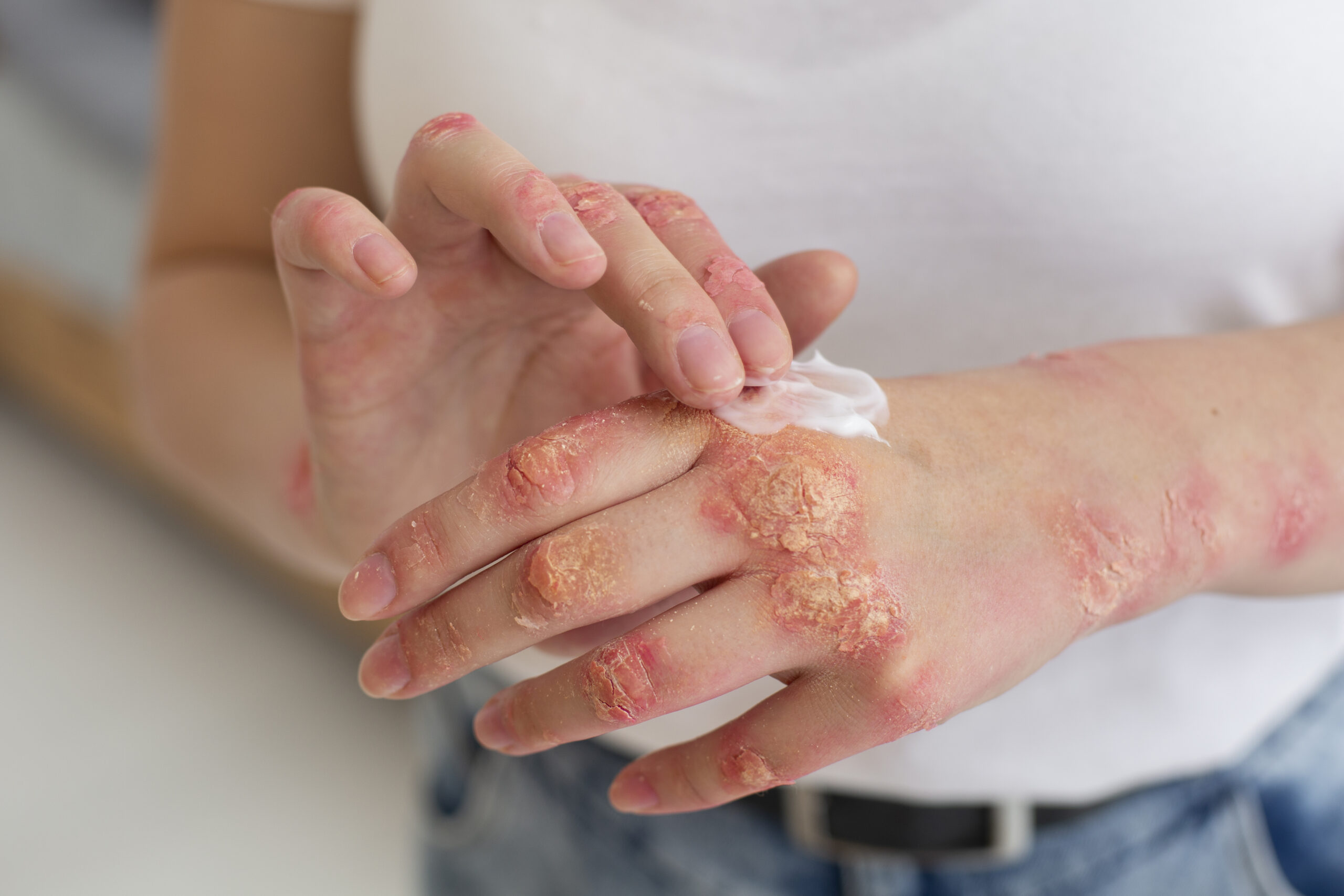
Many people wonder about eczema vs psoriasis. These two skin conditions can look similar, but they are not the same. Knowing the difference between eczema and psoriasis is important. It helps you find the right treatment and manage your symptoms better. Both conditions can cause red, itchy, and dry skin. However, they have different causes and treatments. Understanding these differences can help you feel more in control of your skin health.
What Is Eczema?
Eczema is a common skin problem. It makes your skin red, itchy, and dry. Sometimes, the skin may crack or even bleed. Eczema often starts in childhood, but adults can get it too. The most common type is called atopic dermatitis. Eczema can come and go. It may get worse with certain triggers, like soaps or stress. According to the CDC, eczema affects about 10% of people in the United States.
What Is Psoriasis?
Psoriasis is another long-term skin condition. It causes thick, scaly patches on the skin. These patches can be red, silver, or white. Psoriasis can appear anywhere, but it often shows up on the elbows, knees, and scalp. Unlike eczema, psoriasis is linked to the immune system. It can start at any age, but most people get it between ages 15 and 35. The World Health Organization says about 2–3% of people worldwide have psoriasis.
Key Differences Between Eczema and Psoriasis
Although both conditions cause itchy, red skin, there are some key differences. Knowing these can help you and your doctor find the right care.
Symptoms Comparison
Let’s look at the symptoms of eczema vs psoriasis side by side. This can help you spot the difference.
Causes and Risk Factors
Both eczema and psoriasis have different causes. However, both can run in families. Let’s see what triggers each condition.
Diagnosis: How Doctors Tell Them Apart
Doctors use several ways to tell eczema from psoriasis. First, they look at your skin. They may ask about your symptoms and family history. Sometimes, a skin sample (biopsy) is needed. This helps rule out other skin problems. Blood tests are not usually needed. However, they may help if your doctor suspects another condition. Always see a dermatologist for a clear diagnosis.
Treatment Options for Eczema
Treating eczema focuses on easing itching and healing the skin. Here are common treatments:
In addition, avoiding triggers can help prevent flare-ups. Always follow your doctor’s advice for the best results.
Treatment Options for Psoriasis
Psoriasis treatment aims to slow skin growth and reduce scales. Options include:
For some people, a mix of treatments works best. Your doctor will help you choose the right plan.
Lifestyle Tips and Home Care
Besides medicine, daily care can help manage both eczema and psoriasis. Try these tips:
Even small changes can make a big difference in your comfort.
Prevention and When to See a Doctor
While you may not prevent eczema or psoriasis completely, you can lower flare-ups. Here’s how:
If your symptoms get worse or do not improve, see a dermatologist. Also, seek help if you have pain, fever, or signs of infection. Early care can prevent problems and help you feel better.
Conclusion: Eczema and psoriasis may look alike, but they are different. Knowing the difference helps you get the right care. Consult a dermatologist Dr. Mandar Mane for personalized advice on eczema or psoriasis.