
What Are Warts?
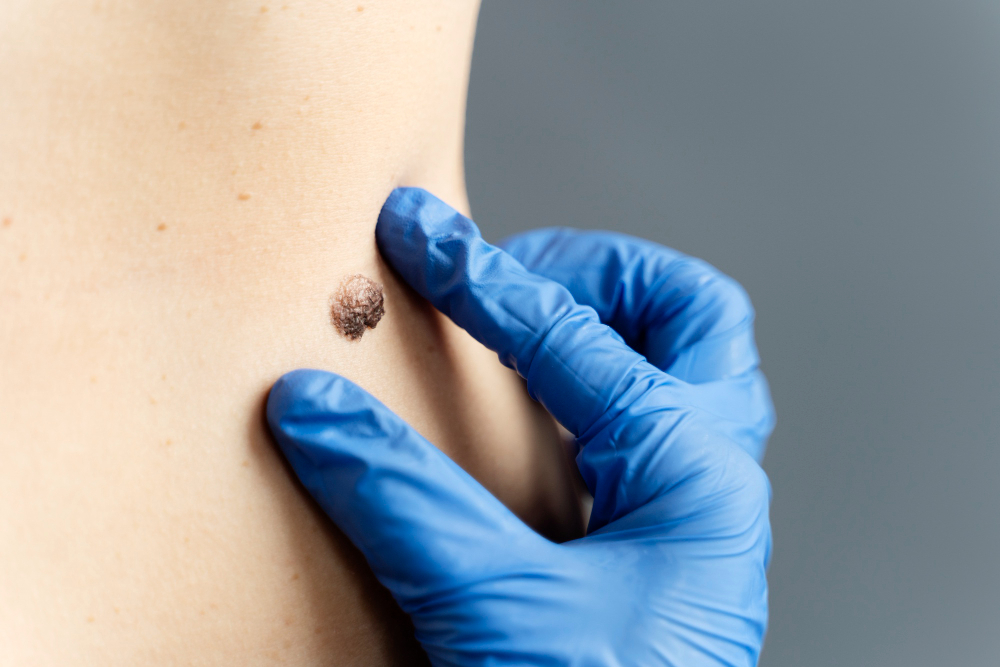
Warts are small, rough bumps that appear on the skin. They are caused by a virus called human papillomavirus, or HPV. Anyone can get warts, but children and people with weak immune systems get them more often. While warts are usually harmless, they can be bothersome. Sometimes, they cause pain or embarrassment. Many people want to know more about warts, including how do warts spread and the best wart treatment options.
Why Do Warts Spread?
Warts spread easily from person to person. The virus enters the skin through tiny cuts or scratches. For example, touching a wart and then touching another part of your body can move the virus. In addition, sharing towels, razors, or shoes can spread warts. Wet or damaged skin makes it easier for the virus to get in. According to the CDC, public showers and pools are common places where people catch warts. Because the virus is tough, it can live on surfaces for a long time.
Therefore, it is important to avoid touching warts and to keep your skin clean and dry.
Common Symptoms of Warts
Warts can look different depending on where they grow. However, most warts share some common signs. For instance, warts often feel rough and firm. They may be skin-colored, white, pink, or brown. Some warts have tiny black dots inside them. These dots are small blood vessels. Plantar warts, which grow on the feet, can be painful when you walk. Flat warts are smoother and smaller, often found on the face or legs. Genital warts appear in the private area and may look like small bumps or clusters. Usually, warts do not cause serious health problems, but they can spread if not treated.
Diagnosis of Warts
Doctors can usually diagnose warts by looking at them. Sometimes, they may scrape the surface to check for black dots. In rare cases, a doctor may remove a small piece of the wart for testing. This helps rule out other skin problems. Most of the time, no special tests are needed. If you are unsure about a skin bump, it is best to see a healthcare provider. They can tell if it is a wart or something else. Early diagnosis can help prevent warts from spreading to others.
Effective Treatment Options for Warts
There are many wart treatment options available. Some people try removing warts at home, while others visit a doctor. Over-the-counter treatments often contain salicylic acid. This medicine softens the wart so it can be removed layer by layer. For best results, soak the wart in warm water before applying the medicine. Cover the area with a bandage to keep it moist. Another option is freezing, called cryotherapy. Doctors use very cold liquid to freeze the wart off. This method works well for stubborn warts. Sometimes, doctors use stronger medicines or minor surgery to remove warts. However, not all treatments work for everyone. According to the CDC and WHO, warts may return even after treatment.
Because warts can be stubborn, you may need to repeat treatments. Always follow instructions carefully to avoid skin irritation.
Prevention Tips for Warts
Preventing warts is possible with good habits. First, keep your skin clean and dry. Next, avoid touching warts on yourself or others. If you have a wart, cover it with a bandage. Change socks and shoes daily, especially if your feet sweat. In public showers or pools, always wear flip-flops. Do not share towels, razors, or nail clippers. If you bite your nails or pick at your skin, try to stop. These habits can make it easier for the virus to enter. Finally, wash your hands often, especially after touching a wart. These steps can help lower your risk of getting or spreading warts.
Conclusion
If you have questions about warts or want to explore safe treatment options, Mandar Mane is here to help. Book a visit today for caring advice and support tailored to your needs.