
Introduction
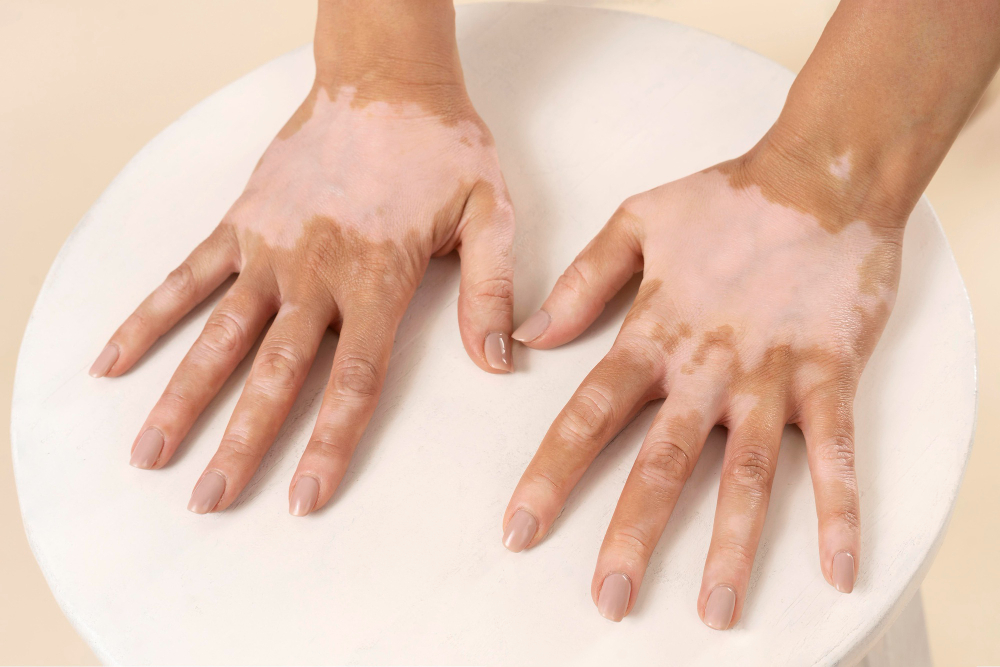
Have you noticed white patches on your skin? Those white patches on your skin may not be just dry skin. Sometimes, these spots can be a sign of a condition called vitiligo. Vitiligo is a skin problem that causes loss of color in certain areas. As a result, your skin may look uneven or patchy. While dry skin is common, it is important to know when white patches could mean something more. In this blog, you will learn about vitiligo, its symptoms, causes, diagnosis, and treatment options. Understanding the difference can help you take the right steps for your skin health.
What is Vitiligo?
Vitiligo is a long-term skin condition. It happens when the cells that give your skin its color, called melanocytes, stop working or die. Because of this, white patches appear on different parts of the body. These patches can be small or large. Sometimes, they spread over time. Although vitiligo is not painful or dangerous, it can affect how you feel about your appearance. For many people, it can also cause stress or worry. According to the World Health Organization (WHO), vitiligo affects about 1% of people worldwide.
Common Symptoms of Vitiligo
At first, you may see small white spots on your skin. Over time, these spots can get bigger. However, not everyone has the same symptoms. Here are some common signs to watch for:
Sometimes, the skin around the eyes, belly button, or genitals may also lose color. But, the skin usually feels normal and does not itch or hurt. If you notice these signs, it is important to learn how to identify vitiligo early.
Causes and Risk Factors
Doctors are still learning what causes vitiligo. Even so, several factors may play a role. Vitiligo is not caused by dry skin. Instead, it happens when the immune system attacks the color-making cells by mistake. This is called an autoimmune response. Other possible causes include:
Anyone can get vitiligo, but it is more common in people with a family history of the condition. Both children and adults can be affected. However, it often starts before age 30. If you have other autoimmune conditions, your risk may be higher.
How Vitiligo is Diagnosed
Early diagnosis is important for managing vitiligo. If you see white patches on your skin, a dermatologist can help. First, the doctor will ask about your medical history and examine your skin. Next, they may use a special lamp called a Wood’s lamp. This helps them see the patches more clearly. Sometimes, a small skin sample (biopsy) is taken for testing. Blood tests may also be done to check for other autoimmune problems. Because many things can cause skin discoloration, it is best to get a proper diagnosis from a skin specialist.
Treatment Options for Vitiligo
Although there is no cure for vitiligo, several treatments can help restore skin color or slow the spread of patches. Treatment depends on your age, the size and location of patches, and your personal needs. Common vitiligo treatment options include:
For some people, counseling or support groups can help with the emotional side of living with vitiligo. If you are looking for vitiligo treatment in your city, ask your dermatologist about the best options for you.
Lifestyle Tips and Self-Care
While treatment can help, daily care is also important. Here are some tips to protect your skin and feel more confident:
Because vitiligo can affect your self-esteem, it helps to talk about your feelings. Many people find comfort in sharing their experiences with others.
Prevention and When to See a Dermatologist
Currently, there is no sure way to prevent vitiligo. However, early care can help slow its progress. If you notice white patches on your skin, do not ignore them. Instead, see a dermatologist for advice. Early treatment may give better results. Also, if you have a family history of vitiligo or other autoimmune diseases, regular skin checks are a good idea. Remember, not all white patches are vitiligo. Only a doctor can tell for sure.
If you notice white patches on your skin, consult a dermatologist at Manasvi Clinics for personalized advice.