
Introduction
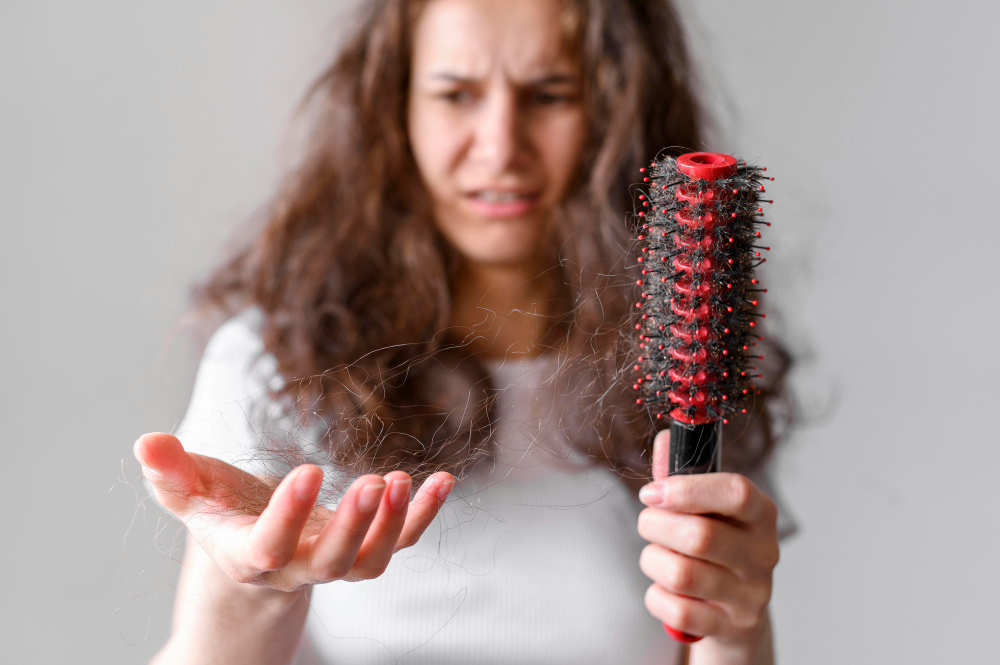
Are you asking, “Why is my hair falling out suddenly?” You are not alone. Many people notice sudden hair loss and feel worried. Often, this can be due to a condition called Telogen Effluvium. This type of hair loss can happen quickly. It may seem scary, but it is usually temporary. In this blog, you will learn what causes sudden hair loss, how to spot it, and what you can do about it.
What is Telogen Effluvium?
Telogen Effluvium is a common cause of sudden hair loss. In this condition, more hairs than usual enter the resting phase, called the telogen phase. Normally, only a small part of your hair is in this phase. However, with Telogen Effluvium, many hairs stop growing at once. As a result, you may notice more hair falling out when you brush or wash your hair. The good news is that this type of hair loss is usually not permanent.
Common Symptoms
Telogen Effluvium has some clear signs. However, symptoms can vary from person to person. Look for these common symptoms:
Sometimes, you may notice more hair on your pillow or in the shower drain. But, your scalp usually looks healthy and does not hurt.
Main Causes and Risk Factors
Many things can trigger Telogen Effluvium. Often, it happens after a stressful event. Here are some common causes and risk factors:
For example, people recovering from COVID-19 have reported sudden hair loss. According to the American Academy of Dermatology, stress is a leading cause of Telogen Effluvium.
How Telogen Effluvium is Diagnosed
Doctors use several steps to diagnose Telogen Effluvium. First, they will ask about your health history. Next, they may check your scalp and hair. Sometimes, they will do a “pull test” by gently tugging on your hair to see how many strands come out. Blood tests may also be done to check for vitamin or hormone problems. In most cases, no biopsy is needed. However, if the cause is unclear, your doctor may suggest more tests.
Effective Treatment Options
Most people recover from Telogen Effluvium without special treatment. However, some steps can help speed up recovery. Here are some effective options:
In some cases, doctors may suggest supplements or topical treatments. However, always talk to your doctor before starting any new medicine or supplement.
Lifestyle Tips and Self-Care
While waiting for your hair to regrow, you can take steps at home. For example, try these self-care tips:
With time and care, most people see hair growth return to normal within six months.
Prevention Strategies
Although not all cases can be prevented, you can lower your risk. Here are some ways to help prevent sudden hair loss:
By following these tips, you can help keep your hair healthy and strong.
When to See a Dermatologist
Sometimes, sudden hair loss can signal a more serious problem. Therefore, you should see a dermatologist if:
Early help can make a big difference. A dermatologist can find the cause and suggest the best treatment for you.
Consult a dermatologist at Manasvi Clinics for personalized advice on sudden hair loss.