
Introduction
Acne is a common skin problem that affects people of all ages. Many teenagers and adults deal with acne at some point in their lives. Because acne can impact self-esteem and comfort, understanding acne is important. Knowing the symptoms, causes, and treatment options helps you manage and prevent breakouts. In this blog, you will learn about acne, how to spot it, and the best ways to treat and prevent it.
What is Acne?
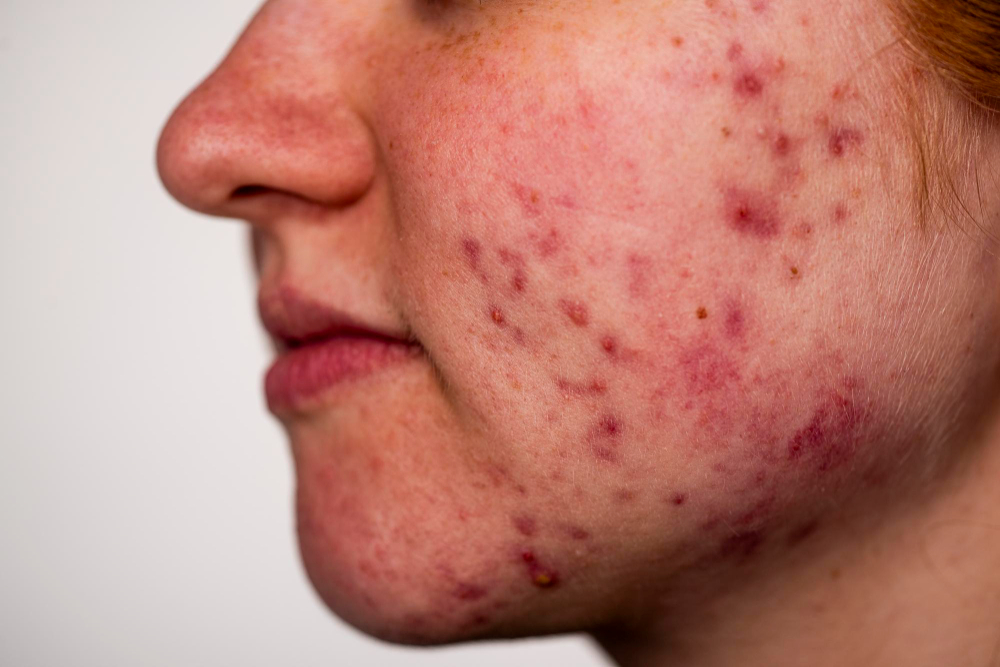
Acne is a skin condition that causes pimples, blackheads, and whiteheads. It usually appears on the face, chest, back, and shoulders. Acne happens when hair follicles get clogged with oil and dead skin cells. As a result, bacteria can grow, leading to swelling and redness. While acne is most common in teenagers, adults can get it too. For many, acne is mild, but for others, it can be severe and painful.
Symptoms of Acne
Acne can look different for each person. However, there are some common signs and symptoms to watch for:
Sometimes, acne can also cause dark spots or scars after the pimples heal. If you notice these symptoms, you may have acne.
Causes of Acne
Many factors can lead to acne. Understanding these causes can help you prevent breakouts. Here are the main reasons acne develops:
Although these are common causes, not everyone with these risk factors will develop acne.
How is Acne Diagnosed?
Doctors usually diagnose acne by looking at your skin. First, they will ask about your symptoms and medical history. Next, they will check the type and number of pimples, blackheads, or cysts. In most cases, no special tests are needed. However, if your acne is severe or does not improve, your doctor may ask about your hormones or other health issues. Sometimes, a dermatologist will suggest blood tests to rule out other causes.
Treatment Options for Acne
There are many ways to treat acne. The best acne treatments depend on how severe your acne is. Here are some common options:
For most people, it takes several weeks to see results. If your acne does not improve, or if it is painful, see a dermatologist. They can suggest the best acne treatment for your skin type.
Prevention and Skin Care Tips
While you may not be able to prevent all acne, these tips can help reduce breakouts and keep your skin healthy:
For those living in humid areas or cities with high pollution, washing your face after being outdoors can help. These acne prevention tips are easy to follow and can make a big difference.
Conclusion
Acne is a common skin condition, but it can be managed with the right care. By understanding the symptoms, causes, and treatment options, you can take control of your skin health. If you struggle with acne or have questions about the best acne treatments, consult a dermatologist Mandar Mane for personalized acne treatment and advice.