
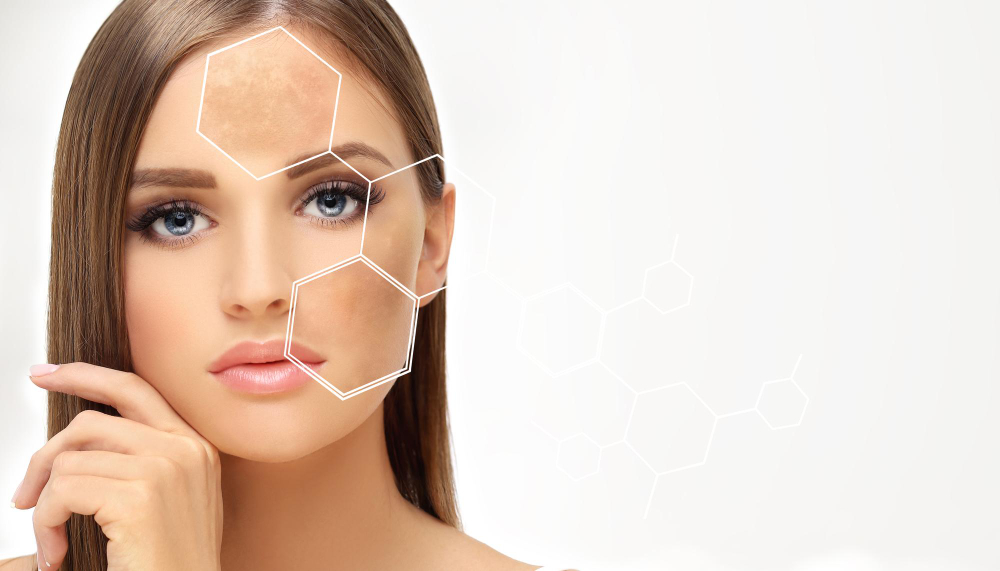
What Is Post Inflammatory Hyperpigmentation?
Post inflammatory hyperpigmentation (PIH) is a common skin condition. It happens when dark spots appear after the skin heals from an injury or inflammation. For example, you may notice skin discoloration after inflammation from acne, eczema, or a cut. These spots are not scars, but they can last for weeks or months. Often, PIH is more noticeable in people with darker skin tones. However, anyone can develop it.
How Does PIH Look and What Are the Symptoms?
PIH usually shows up as flat, dark patches on the skin. These spots can be brown, black, or even purple, depending on your skin tone. Sometimes, the affected area may feel dry or rough. However, PIH does not cause pain or itching. In many cases, the spots fade over time, but some may linger longer.
What Causes Post Inflammatory Hyperpigmentation?
PIH develops when the skin makes extra pigment, called melanin, after healing. This extra pigment collects in the skin, causing dark spots. There are several common causes of PIH. For instance, acne breakouts, eczema, allergic reactions, or even bug bites can lead to PIH. Sometimes, harsh skin treatments or picking at the skin can also trigger it.
Additionally, people with darker skin tones have a higher risk. This is because their skin makes more melanin. However, anyone can get PIH after skin inflammation.
How Is PIH Diagnosed?
Usually, a doctor or dermatologist can diagnose PIH by looking at your skin. They will ask about your medical history and recent skin problems. In most cases, no special tests are needed. However, if the spots look unusual, your doctor may suggest a skin biopsy. This helps rule out other skin conditions.
Effective Treatments for Post Inflammatory Hyperpigmentation
There are many ways to treat PIH. Treatment depends on how dark the spots are and how long they have been there. Early care often leads to better results. Here are some common post inflammatory hyperpigmentation treatments:
Topical Treatments
Always use these creams as directed by your doctor. Some may cause irritation if used too often.
Procedural Treatments
These treatments should be done by a trained professional. Sometimes, more than one session is needed.
Lifestyle and Home Care
With regular care, many people see improvement in their skin over time.
How to Prevent Post Inflammatory Hyperpigmentation
Prevention is key. While not all cases can be avoided, you can lower your risk. For example, treat skin problems early and avoid harsh treatments. Here are some tips on how to prevent post inflammatory hyperpigmentation:
In addition, people living in sunny areas should take extra care. Sun exposure can make dark spots worse.
When Should You See a Dermatologist?
Most cases of PIH fade with time and good skin care. However, you should see a dermatologist if:
Early treatment can help prevent spots from becoming permanent.
Conclusion
Post inflammatory hyperpigmentation is a common skin issue. Although it can be frustrating, many treatments are available. With the right care, most people see their skin improve. For the best results, protect your skin and avoid picking at healing areas. Consult a dermatologist at Manasvi clinics for personalized advice on managing post inflammatory hyperpigmentation.