Introduction
Did you know that chickenpox and shingles are caused by the same virus? The varicella-zoster virus leads to chickenpox in children and shingles in adults. While chickenpox in children is common, shingles in adults can be more serious. In this blog, you will learn about chickenpox symptoms, shingles treatment, and how to prevent both conditions. Understanding the link between chickenpox and shingles can help you protect yourself and your family.
What Is Chickenpox?
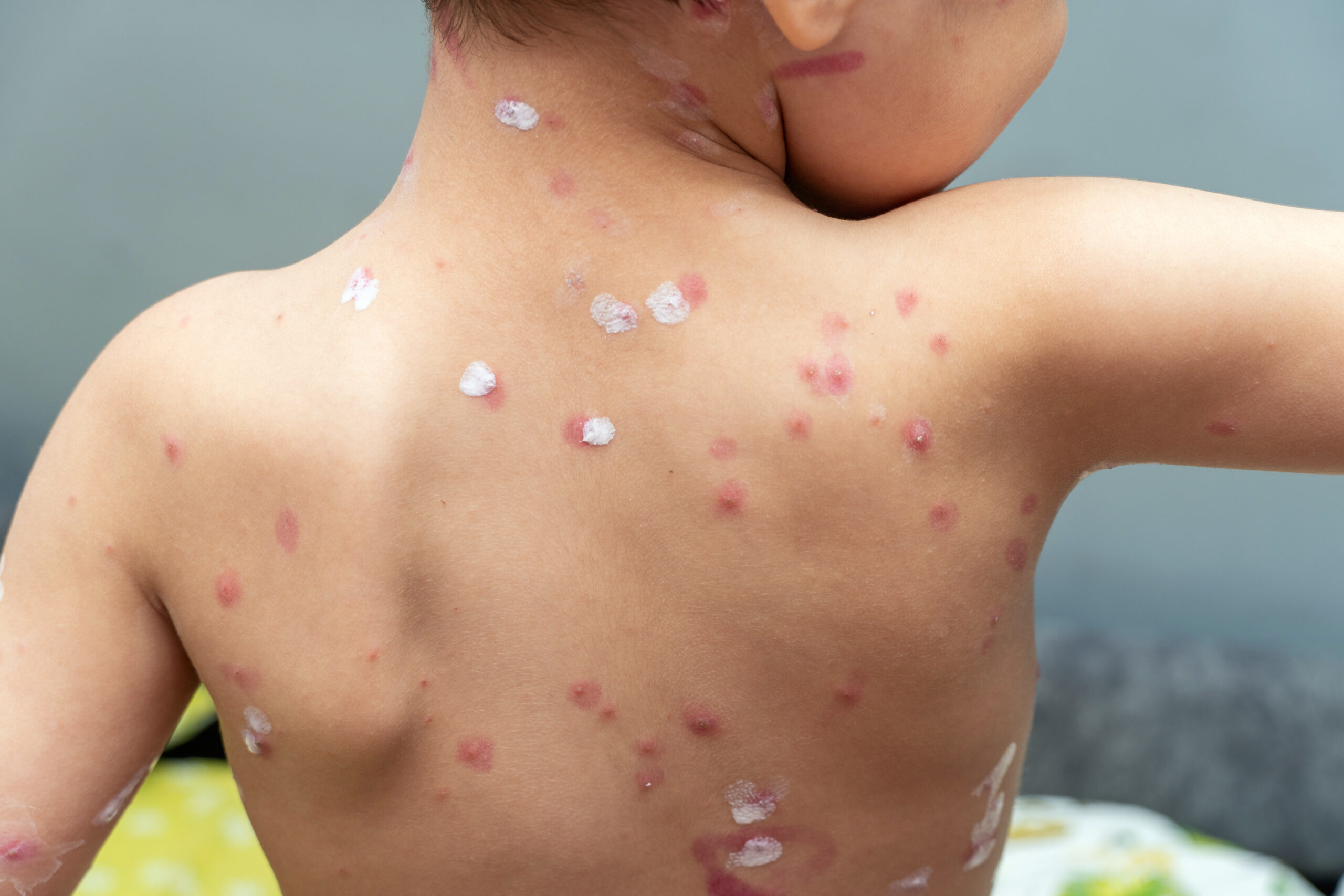
Chickenpox is a common childhood illness. It is caused by the varicella-zoster virus. Most children get chickenpox before age 12. The virus spreads easily from person to person. For example, it can spread through coughing, sneezing, or touching the rash.
Usually, chickenpox is mild in healthy children. However, it can cause problems in babies, teens, adults, and people with weak immune systems.
What Is Shingles?
Shingles is a painful skin rash that mostly affects adults. It happens when the varicella-zoster virus becomes active again in the body. After you have chickenpox, the virus stays in your nerves. Years later, it can wake up and cause shingles.
Shingles can be very painful. Sometimes, the pain lasts even after the rash goes away. This is called postherpetic neuralgia.
The Varicella-Zoster Virus: One Virus, Two Diseases
Although chickenpox and shingles seem different, they are both caused by the varicella-zoster virus. First, the virus causes chickenpox. After you recover, the virus hides in your nerves. Later in life, it can reactivate and cause shingles. Not everyone who had chickenpox will get shingles, but the risk increases with age.
Differences Between Chickenpox and Shingles
While both diseases come from the same virus, they are quite different. Here is how they compare:
Because shingles is more severe, it is important to know the warning signs and seek help early.
Prevention and Vaccination
Thankfully, vaccines can help prevent both chickenpox and shingles. The chickenpox vaccine is given to children in two doses. It protects most children from getting chickenpox. Even if a vaccinated child gets chickenpox, the illness is usually mild.
For adults, there is a shingles vaccine. The CDC recommends it for people over 50, even if they had chickenpox before. The shingles vaccine lowers the risk of getting shingles and its complications.
Vaccination is the best way to prevent these diseases and their problems.
When to See a Doctor
Sometimes, chickenpox or shingles can become serious. You should see a doctor if you or your child has:
Early treatment can help prevent complications. For shingles, starting medicine within three days of the rash can reduce pain and speed healing.
Living with Shingles: Tips for Relief
If you have shingles, there are ways to feel better at home. While medicine from your doctor is important, these tips can help:
Remember, shingles is not spread through the air like chickenpox. However, the rash can give chickenpox to someone who never had it or the vaccine. So, cover the rash and wash your hands often.
Conclusion
Chickenpox and shingles are linked by the varicella-zoster virus. While chickenpox in children is often mild, shingles in adults can be serious. Vaccines help prevent both diseases. If you notice warning signs or have questions, consult a healthcare professional Dr. Mandar Mane for personalized advice about chickenpox or shingles.